
Real Estate
AI is changing home listings. Can you trust what you see?
By Katherine Langford
Advertisement · Why this ad?
Katherine oversees editorial operations across all six brands. Before joining The Meridan Group, she spent 14 years at the Minneapolis Star Tribune, where she led the metro desk through its digital transformation. She holds a Master's in Journalism from Northwestern's Medill School.
More from Katherine →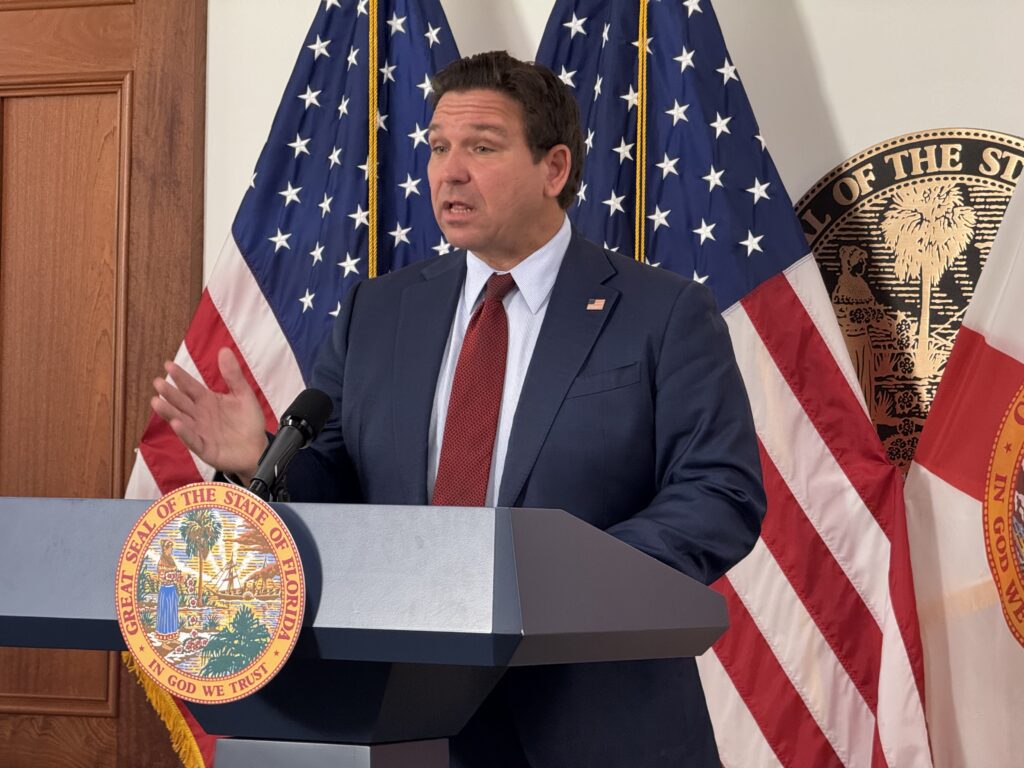
As the sun dipped below the horizon in Coral Gables, a palpable sense of anticipation filled the air. Residents gathered at local parks, exchanging thoughts on the recent election outcomes and the implications of a new amendment that promises to reshape their financial landscape. Among the topics of discussion was Governor Ron DeSantis's push for a special legislative session aimed at implementing a "taxpayer bill of rights"—a move that could significantly alter property tax structures across Florida.
On Wednesday, Governor Ron DeSantis outlined his intentions to convene a special session of the legislature before he leaves office in January. This session is primarily focused on the implementation of Amendment 3, which was passed by voters during the recent election. The amendment is set to take effect on January 1, allowing for expanded homestead exemptions that could eventually cover the full value of homes. DeSantis emphasized the urgency of this initiative, stating, "That has to be done by January 1, and we will do it by January 1."
The upcoming special session's date will be determined by the two legislative chambers, but early indications suggest a reluctance to convene before the new year. Incoming legislative leaders have expressed skepticism about the necessity of an immediate session, with Senate President-Designate Jim Boyd commenting that much of the amendment's provisions are "self-executing." Meanwhile, House Speaker-Designate Sam Garrison noted that the complexity of the issue might warrant a more measured approach, stating, "I’d rather be right than be quick."
The passage of Amendment 3 is expected to have significant financial ramifications. It will increase the homestead exemption for non-school taxes from $50,000 to $150,000 in 2027, and ultimately to $250,000 in 2028. This change could reduce local government revenues by as much as $12 billion annually, raising concerns among local leaders about how essential services will be funded. Former state Senator Jeff Brandes, who has been a vocal critic of the amendment, expressed doubt regarding the governor's ability to prevent local governments from finding alternative taxation methods to compensate for lost revenue.
Local governments across Florida are bracing for the potential fallout from Amendment 3. The anticipated revenue shortfall has prompted discussions about how municipalities will sustain essential services such as public safety, education, and infrastructure. In Coral Gables, where property values have surged, many residents are concerned that the benefits of tax relief could come at the cost of critical community services. City officials have already begun to strategize on how to navigate these financial challenges, with some suggesting that new fee structures may be necessary to offset the anticipated losses.
In smaller, rural counties, the stakes are even higher. Local leaders fear that the amendment will cripple their ability to provide basic services. In Liberty County, which is the least populated in the state, the amendment garnered nearly 58% support, but concerns linger about the county's ability to maintain essential services without sufficient funding. Local leaders in rural areas have voiced apprehension, indicating that the amendment could hinder their operational capabilities. DeSantis has acknowledged these concerns, stating that he intends to collaborate with legislators to create a fund specifically designed to assist smaller counties in meeting their core needs.
The community's reaction to the proposed changes has been mixed, with some residents voicing support for the increased exemptions while others express concern over potential service cuts. In Coral Gables, where property values have surged, many homeowners are eager for relief from rising taxes. However, others worry about the long-term effects on public services, particularly in smaller, rural counties that may struggle to adapt to the new financial landscape.
Local business owners are also weighing in on the potential impacts of Amendment 3. Many view the tax relief as a boon that could stimulate the local economy, allowing residents to spend more on goods and services. However, some business leaders caution that if local governments are unable to fund necessary infrastructure improvements, it could deter new businesses from moving into the area.
In Liberty County, local officials have expressed their determination to find creative solutions to mitigate the impact of the amendment. They are exploring partnerships with neighboring counties and seeking grants to help alleviate some of the financial burden. County Commissioner Brenda Smith stated, "We have to be proactive and work together to ensure our community can thrive despite these changes."
Local residents have taken to social media and community forums to express their views on the amendment and the proposed special session. Many homeowners are optimistic about the potential tax relief, viewing it as a long-overdue correction to the financial strain they have faced in recent years. However, others are apprehensive, fearing that the reduction in revenue could lead to cuts in vital services like public safety and education.
One Coral Gables resident, Maria Lopez, shared her perspective: "While I appreciate the idea of lower taxes, I worry about what that means for our schools and public services. We need to ensure that our community remains vibrant and safe." This sentiment echoes the concerns of many who are caught between the promise of tax relief and the need for sustainable public funding.
The incoming legislative leaders have voiced their apprehensions regarding the special session and the implementation of Amendment 3. Many are concerned that rushing into a special session may lead to poorly crafted legislation that could have unintended consequences. Brandes, who has been critical of the amendment, indicated that many legislators are still grappling with its implications, stating, "Understand, many legislators are reading this amendment for the first time and trying to understand what it really does now. They didn’t think it was going to pass."
With the legislative session scheduled to begin with a ceremonial organizational meeting on November 30, the path forward remains uncertain. Boyd and Garrison have indicated a preference for a more deliberate approach, suggesting that the complexities surrounding the amendment may necessitate further discussion before any definitive actions are taken.
As Coral Gables residents eagerly await the outcome of the upcoming legislative session, the implications of Amendment 3 will undoubtedly shape the community's future. The potential for expanded homestead exemptions and the associated tax relief is a significant development, yet it comes with the caveat of ensuring that essential services remain funded and accessible.
DeSantis's commitment to working with legislators to create a fund for smaller counties is a step in the right direction, but the effectiveness of such measures remains to be seen. As the community grapples with the balance between tax relief and public service funding, the stakes have never been higher. Residents are encouraged to stay informed and engaged in the legislative process, as the decisions made in the coming months will have lasting impacts on the fabric of Coral Gables.
In conclusion, as we navigate this critical juncture in Florida's fiscal landscape, it is imperative that we prioritize the needs of families and communities. Strong, stable households are the backbone of our society, and any changes to our tax structure must reflect a commitment to preserving the American dream for all residents. The conversation surrounding Amendment 3 is just beginning, and it is essential that we approach it with both caution and optimism.
By Katherine Langford

By Marcus Chen
By Katherine Langford
By Marcus Chen